
PFAS Explained
Understanding "forever chemicals" — what they are, where they come from, and why they matter for your family's health.
Per- and Polyfluoroalkyl Substances (PFAS) have gained significant attention due to their widespread presence in the environment and potential health risks. This page aims to provide an overview of what PFAS chemicals are and their sources.
What Are PFAS Chemicals?
PFAS chemicals are a group of man-made chemicals characterized by their strong carbon-fluorine bonds. These chemicals have been used in various industrial and consumer products for decades due to their water and oil repellent properties, heat resistance, and non-stick characteristics.
Common PFAS compounds include perfluorooctanoic acid (PFOA) and perfluorooctane sulfonate (PFOS).
Sources of PFAS Contamination
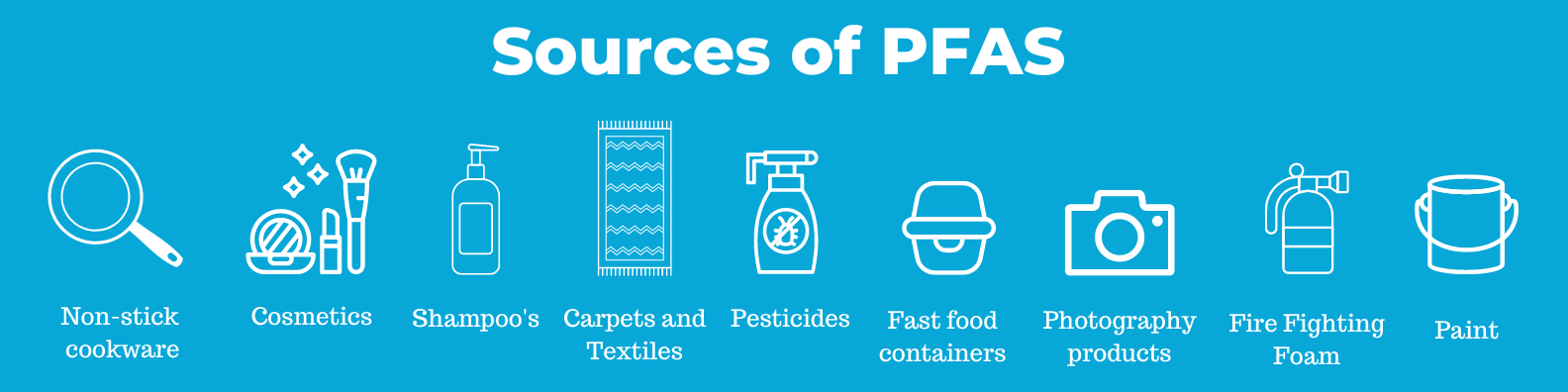
PFAS chemicals have been used in a wide range of products, including firefighting foams, non-stick cookware, stain-resistant fabrics, and food packaging materials. As a result, these chemicals have contaminated soil, water, air, and even wildlife in numerous locations worldwide.
Industrial sites, military bases, and areas near manufacturing facilities are particularly susceptible to PFAS contamination.
Health Concerns
The EPA has established a Maximum Contaminant Level (MCL) for several PFAS compounds in drinking water. Long-term exposure above these levels is associated with serious health risks. Children, pregnant women, and people with compromised immune systems are especially vulnerable.
Because PFAS have no taste or odor, the only way to know if your well is affected is through laboratory testing.
Get Your Water Tested for PFAS
Don't wait — PFAS have no taste or smell. Call us to schedule a test today.