



Over the past couple of months, our team has noticed a big uptick in calls from homeowners who are on city or municipal water. Many people are reaching out with the same questions:
- “What are TTHMs and HAA5s?”
- “Is my drinking water still safe?”
- “Should I be treating my city water at home?”
If you’ve recently received a notice from your town or water supplier about disinfection byproducts, you’re not alone. More communities across New Hampshire and New England are monitoring these compounds closely—and in some cases, reporting elevated levels. Here’s what you need to know.

What Are TTHMs and HAA5s?
TTHMs (Total Trihalomethanes) and HAA5s (Haloacetic Acids) are groups of chemicals formed when chlorine—used to disinfect water—reacts with naturally occurring organic material in the water supply.
Chlorine is essential for killing harmful bacteria, but when it interacts with things like decaying leaves, organic matter, or certain minerals, it can create these byproducts.
Why towns notify homeowners
Public water systems are required to test regularly. If a running annual average exceeds the maximum contaminant level (MCL), the system must notify residents—even if there’s no immediate health emergency.
Should You Be Worried?
Not necessarily—but it’s important to understand the context.
- Short-term exposure to TTHMs or HAA5s is not expected to cause immediate issues.
- Long-term exposure over many years may increase the risk of certain health effects, including potential impacts to the liver, kidneys, or central nervous system.
For most families, the biggest concern isn’t short-term risk—it’s wanting peace of mind about the water they’re drinking every day.
That’s where point-of-use and whole-home treatment come in.
Why We’re Getting More Calls Lately
Whenever municipal systems report elevated levels—even slightly above standards—it naturally leads people to look for ways to better control the quality of their own water at home.
Typical concerns we’re hearing include:
- Taste or odor from increased chlorination
- Skin or hair irritation from disinfectants
- Desire to remove DBPs (disinfection byproducts) altogether
- Questions about whether their refrigerator filter is enough
- Interest in whole-home filtration vs. drinking-water-only solutions
Even if a town resolves the issue quickly, homeowners are becoming more proactive about protecting their families—and we think that’s a good thing.
How City Water Can Be Treated at Home
There are effective, proven treatment options for reducing or removing chlorine, TTHMs, HAA5s, and other municipal water byproducts. The best approach depends on whether you want to treat your entire home or just your drinking water.
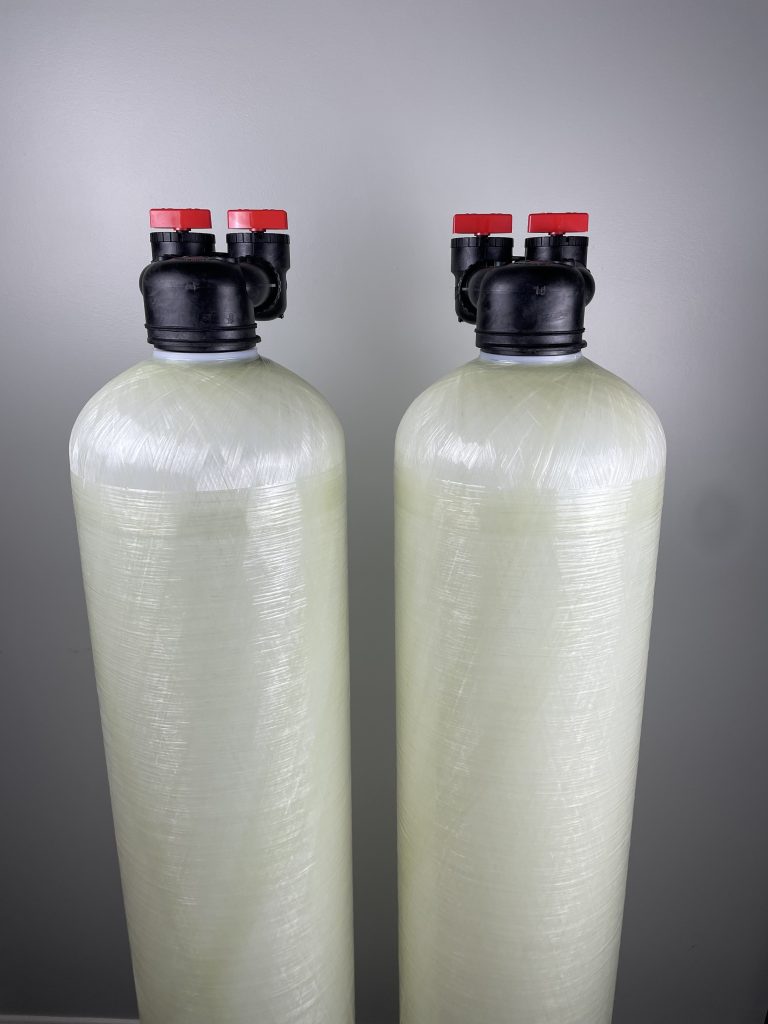
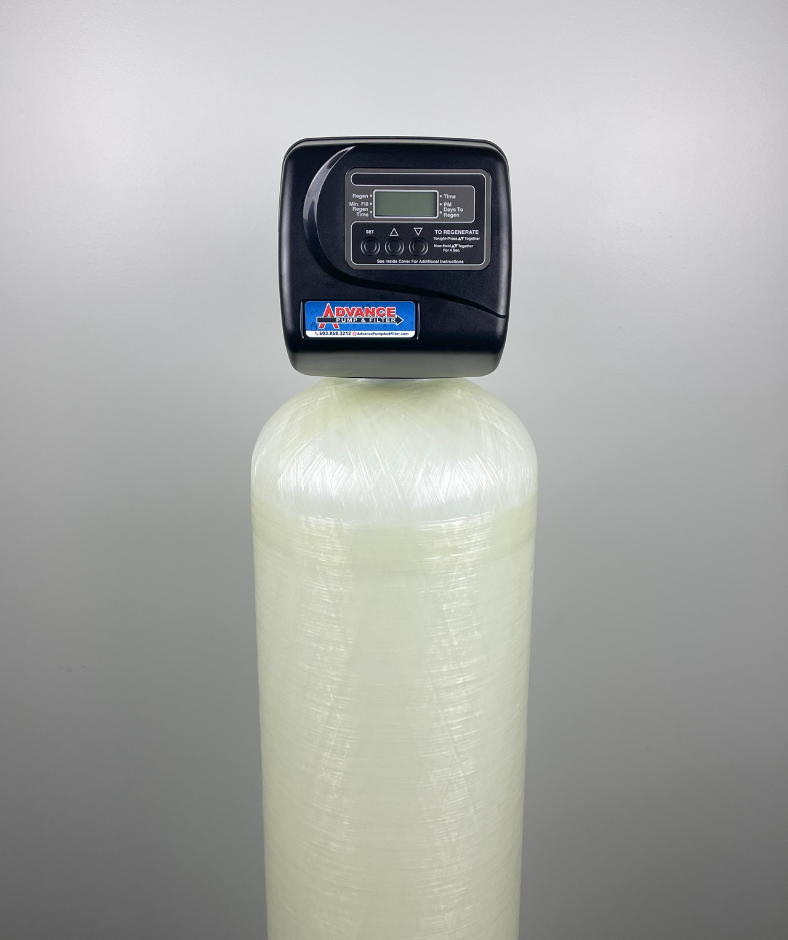
1. Whole-Home Filtration (Point-of-Entry)
A whole-home carbon filtration system can:
- Reduce chlorine
- Reduce DBP precursors
- Improve taste and odor
- Protect plumbing and appliances
This option ensures every tap—including showers—is delivering cleaner, better-smelling water.

2. Drinking Water Systems (Point-of-Use)
For targeted protection, options include:
- High-quality carbon filters
- Reverse osmosis systems
- Specialized DBP-reduction cartridges
These systems remove a broad range of contaminants and typically provide the highest level of purification for water used in cooking and drinking.
Why Home Treatment Matters
Even with a well-run municipal system, water quality can vary due to:
- Seasonal temperature changes
- Water age in the distribution lines
- Storage tank conditions
- Changes in source water
- Adjustments to disinfectant dosing
Home filtration isn’t about replacing your town’s treatment—it’s about adding a final layer of protection between the water main and your family.
Have Questions About Your City Water? We Can Help.
If you’ve received a notice about TTHMs, HAA5s, or anything related to disinfection byproducts—or if you simply want cleaner, better-tasting water—we’re here to help you understand your options.
Just give us a call at 603-868-3212 and we’ll walk you through the process.